
Do You know about the health benefits and side effects of turmeric and ginger supplements? Learn how to use them, the best time to take them, and who should avoid them.
Turmeric and ginger supplements have become popular for their powerful health benefits. Both of these ancient roots are rich in bioactive compounds that can improve overall well-being. In this blog post, we will explore the individual benefits of turmeric and ginger, their side effects, and how to use these supplements effectively.
What is Turmeric?
Turmeric is a commonly used spice that takes from the roots of Curcuma longa. It consists of a chemical that is called curcumin, which can be used for many health treatments and also used in daily meals for better flavour and colour. Turmeric is a relative of the ginger family.

What is Ginger?
Ginger, like turmeric, is a rhizome that has been widely used for its medicinal properties. It contains the active compound gingerol, which is renowned for its powerful anti-inflammatory and antioxidant effects. Ginger is commonly used to ease nausea, support digestion, and reduce muscle pain.
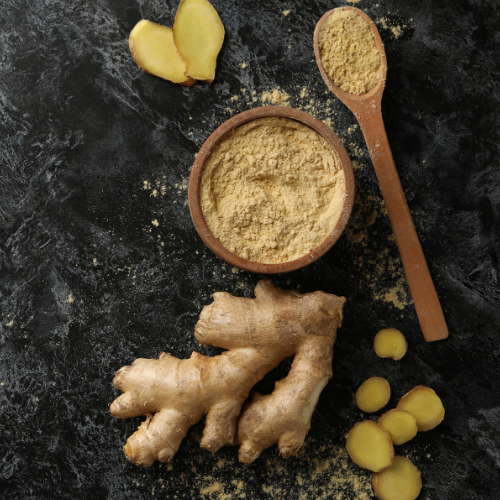
Turmeric and ginger Supplements
Turmeric and ginger supplements have gained immense popularity due to their numerous health benefits. These powerful roots are packed with anti-inflammatory and antioxidant properties, making them ideal for promoting overall wellness.
Turmeric, rich in curcumin, helps reduce inflammation, support joint health, and improve brain function. It’s often used by people looking to manage arthritis pain, boost immune function, and even improve digestion. Meanwhile, ginger, known for its active compound gingerol, is highly effective for easing nausea, supporting digestion, and reducing muscle soreness.
Whether you’re new to supplements or looking for a natural way to improve your health, turmeric and ginger supplements are safe and effective choices. It is recommended to consult a healthcare professional to determine the most appropriate dosage based on your individual needs.
Benefits of Turmeric and Ginger Supplements
These are the following health benefits of turmeric and ginger supplements:
1. Anti-inflammatory Properties
Turmeric and ginger supplements are both known for their powerful anti-inflammatory effects. The active compounds in turmeric (curcumin) and ginger (gingerol) help reduce inflammation throughout the body, making these supplements effective for easing joint pain, stiffness, and conditions like arthritis.

2. Improves Digestive Health
Ginger is particularly effective in easing nausea, bloating, and indigestion, while turmeric helps reduce inflammation in the gut, promoting overall digestive health. Together, they enhance digestion, reduce discomfort, and support a healthy digestive system.

3. Boosts Immune System
Turmeric and ginger are both rich in antioxidants, which support and strengthen the immune system. These antioxidants protect the body from oxidative stress and free radical damage, improving the body’s ability to fight off infections and illnesses.

4. Reduces Joint Pain
The combined anti-inflammatory properties of turmeric and ginger make them an effective natural remedy for reducing joint pain and stiffness. People suffering from osteoarthritis or other inflammatory conditions may find significant relief by using these supplements.

5. Supports Heart Health
Turmeric and ginger both contribute to heart health by improving blood circulation, lowering cholesterol levels, and reducing blood pressure. Regular use of these supplements may help reduce the risk of heart disease, supporting overall cardiovascular health.

6. Aids in Weight Management
Ginger boosts metabolism, while turmeric helps reduce inflammation, which can contribute to weight management. Together, they can support healthy weight loss by improving digestion, enhancing metabolic function, and reducing body fat.

7. Improves Brain Function
Turmeric, known for enhancing memory and cognitive function, works alongside ginger, which protects the brain from oxidative stress. Combining these supplements may enhance focus, memory retention, and overall brain health, while also reducing the risk of neurodegenerative diseases.

8. Relieves Nausea
Ginger is widely known for its ability to reduce nausea, whether caused by motion sickness, pregnancy, or post-surgery recovery. When combined with turmeric, these supplements offer relief from nausea and promote overall digestive comfort.

9. Antioxidant Effects
Turmeric and ginger are rich in antioxidants, which help neutralize free radicals in the body. This not only protects the body from cellular damage but also supports skin and heart health, contributing to long-term wellness.

10. Chronic Disease Prevention
Regular consumption of turmeric and ginger supplements can lower the risk of developing chronic diseases such as heart disease, cancer, and Alzheimer’s. Their combined effects help combat inflammation, oxidative stress, and other risk factors associated with chronic conditions.

Side effect of Turmeric and ginger supplements
These are the following health side effect of turmeric and ginger supplements:
1. Digestive Issues
Both turmeric and ginger can cause digestive discomfort if taken in high doses. This may include nausea, diarrhea, or an upset stomach.

2. Blood Thinning
Both supplements have blood-thinning properties, which could increase the risk of bleeding, especially if you are on anticoagulant medications (like warfarin). Combining them may amplify this effect, so caution is advised if you have a bleeding disorder or are scheduled for surgery.

3. Lower Blood Pressure
Turmeric and ginger can both lower blood pressure. When combined, this effect may become more pronounced, potentially causing dizziness or lightheadedness, especially in individuals already on blood pressure-lowering medication.

4. Gallbladder Issues
Turmeric may aggravate gallbladder problems, such as gallstones or bile duct obstruction. If taken in combination with ginger, the risk may increase for people with pre-existing gallbladder conditions.

5. Stomach Irritation and Heartburn
In some cases, combining both turmeric and ginger could lead to heartburn or exacerbate gastric issues, especially when consumed in large amounts.
If you’re considering taking turmeric and ginger supplements together, it’s important to start with low doses and consult with your healthcare provider to avoid potential interactions or side effects.


FAQs
What is the best Time to Take Turmeric and Ginger Supplements?
The best time to take turmeric and ginger supplements largely depends on your health goals. For overall inflammation reduction, it’s recommended to take them with a meal containing healthy fats, as this improves the absorption of curcumin (the active compound in turmeric).
Taking turmeric in the morning or evening can help manage inflammation and support joint health throughout the day. If you’re using ginger to aid digestion, it’s best taken 30 minutes before meals to reduce bloating and support digestive health.
For immune support, taking both supplements in the morning with breakfast can give your body an early boost, helping to strengthen your immune system for the day ahead.
Who Should Avoid Turmeric and Ginger Supplements?
Although turmeric and ginger offer a wealth of health benefits, not everyone should take them:
People with bleeding disorders: Both turmeric and ginger can act as blood thinners, so individuals with bleeding disorders or those on anticoagulant medications should consult a doctor before taking these supplements.
Pregnant and breastfeeding women: High doses of turmeric and ginger supplements may not be safe during pregnancy or breastfeeding, so it’s best to consult with a healthcare provider.
Those with gallstones or bile duct issues: Turmeric can exacerbate these conditions, so it should be avoided in these cases.
How to take them?
You can take turmeric and ginger supplements in various forms, depending on your preference and specific health needs. Here are some common methods:
- Capsules or Tablets: This is the most convenient way to take both turmeric and ginger. Capsules typically contain concentrated forms of curcumin and gingerol, the active compounds in each, and are easy to incorporate into your daily routine.
- Powder Form: You can add turmeric and ginger powder to smoothies, teas, or food. Mixing these powders with a little black pepper (for turmeric) or honey (for ginger) can enhance absorption and improve taste.
- Tea: Drinking ginger and turmeric tea is a soothing way to take these supplements. You can steep fresh ginger root and turmeric or use tea bags with these ingredients.
- Tinctures or Extracts: Turmeric and ginger are also both available in liquid form. You can add a few drops to water, juice, or tea for a concentrated dose.
- In Food: Both turmeric and ginger can be incorporated into your diet by adding fresh or ground versions to curries, soups, stir-fries, or smoothies.
No matter the form, it’s essential to follow the dosage recommendations on the product label or consult your healthcare provider for personalized guidance.
Can I combine them?
Yes, you can combine both turmeric and ginger supplements, and in fact, they complement each other well. Both have strong anti-inflammatory and antioxidant properties, and when taken together, they can enhance these benefits. For instance, combining turmeric and ginger may provide greater relief for joint pain, inflammation, and digestive issues, while also supporting heart health and boosting the immune system.
However, because both supplements have similar effects, such as thinning the blood and lowering blood pressure, it’s essential to consult with a healthcare provider before combining them. Especially if you are on medications like blood thinners or have underlying health conditions. Taking them together in recommended doses is generally safe for most people.
Conclusion
Turmeric and ginger supplements provide a natural way to improve your health, from reducing inflammation to boosting digestion. However, it’s important to be aware of their side effects and consult with a healthcare provider, especially if you have pre-existing medical conditions. Whether you’re looking to ease joint pain, improve brain function, or aid digestion, adding turmeric and ginger supplements to your daily routine could make a significant difference.